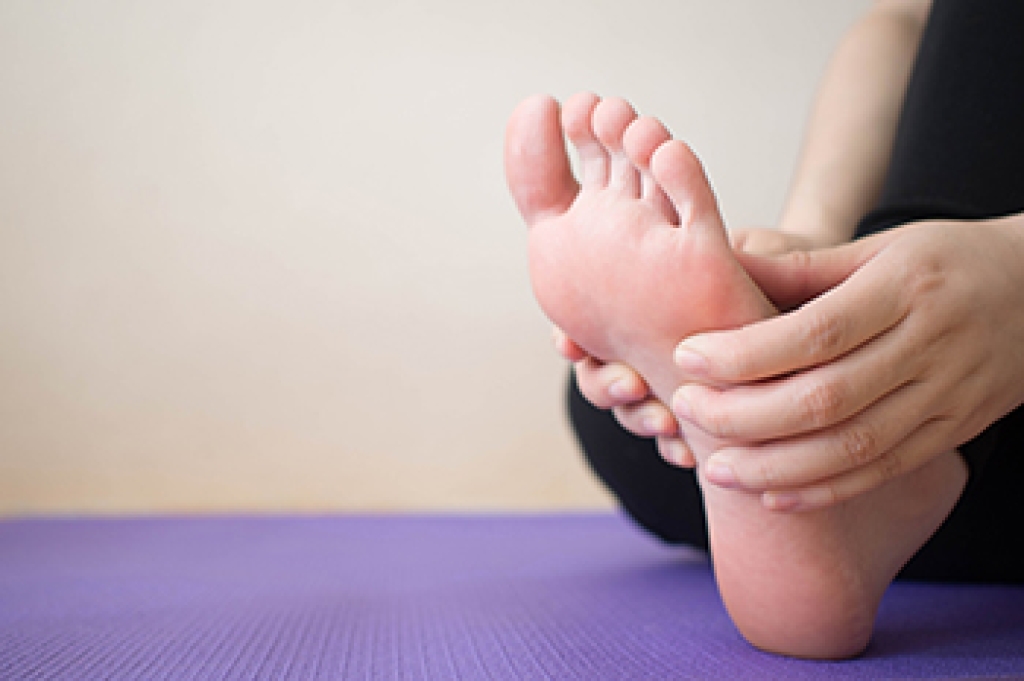
Why Toes Suddenly Swell

Toe swelling can appear gradually or seem to show up overnight, and the cause is not always obvious. Common reasons include minor injuries, repetitive pressure from footwear, arthritis, gout, infections, and circulation problems. Swelling may also be linked to systemic conditions such as diabetes, heart disease, or kidney issues. A podiatrist begins a diagnosis by listening to symptoms, timing, and recent activity. A physical examination looks at skin color, temperature, tenderness, and range of motion. Imaging studies like X-rays or ultrasound may be used to check bones, joints, and soft tissue. Blood work can help identify inflammation, infection, or metabolic causes. Because toe swelling can signal anything from irritation to serious disease, evaluation matters. If toe swelling is painful, persistent, worsening, or unexplained, it is suggested that you see a podiatrist for a proper diagnosis and appropriate treatment.

Toe pain can disrupt your daily activities. If you have any concerns, contact one of out podiatrists of Alta Ridge Foot Specialist. Our doctors can provide the care you need to keep you pain-free and on your feet.

What Causes Toe Pain?

Most severe toe pain is caused due to a sports injury, trauma from dropping something heavy on the toe, or bumping into something rigid. Other problems can develop over time for various reasons.

Toe pain can be caused by one or more ailments. The most common include:

  • Trauma
  • Sports injury
  • Wearing shoes that are too tight
  • Arthritis
  • Gout
  • Corns and calluses
  • Hammertoe
  • Bunions
  • Blisters
  • Ingrown toenails
  • Sprains
  • Fractures (broken bones)
  • Dislocations

When to See a Podiatrist

  • Severe pain
  • Persistent pain that lasts more than a week
  • Signs of infection
  • Continued swelling
  • Pain that prevents walking

Diagnosis

In many cases the cause of toe pain is obvious, but in others, a podiatrist may want to use more advanced methods to determine the problem. These can range from simple visual inspections and sensation tests to X-rays and MRI scans. Prior medical history, family medical history, and any recent physical traumatic events will all be taken into consideration for a proper diagnosis.

Treatment

Treatments for toe pain and injuries vary and may include shoe inserts, padding, taping, medicines, injections, and in some cases, surgery. If you believe that you have broken a toe, please see a podiatrist as soon as possible.

If you have any questions please contact our offices located in Mars Hill, Spruce Pine, and Boone, NC . We offer the newest diagnostic and treatment technologies for all your foot and ankle needs.

Read more about Toe Pain

Types of Foot Deformities

Foot deformities are structural changes that affect the shape or function of the feet and ankles. Some are present at birth, while others develop during childhood or adulthood. Congenital deformities can cause the forefoot to curve inward, the heel or ankle to sit abnormally, or the foot to point upward or downward, which may interfere with early walking patterns. In children and adults, deformities like flat feet, high arches, or inward-rolling ankles can alter balance and place added stress on joints. Deformities that mainly appear in adulthood often involve toe alignment, including bunions and hammertoes. Widening of the forefoot or limited ankle motion that changes gait are other factors.  A podiatrist can assess alignment, joint movement, muscle strength, and walking mechanics to identify the type of deformity you may have. For help in dealing with a foot deformity, it is suggested that you make an appointment with a podiatrist for an exam, diagnosis, and treatment.

Foot Pain

Foot pain can be extremely painful and debilitating. If you have a foot pain, consult with one of out podiatrists from Alta Ridge Foot Specialist. Our doctors will assess your condition and provide you with quality foot and ankle treatment.

Causes

Foot pain is a very broad condition that could be caused by one or more ailments. The most common include:

  • Bunions
  • Hammertoes
  • Plantar Fasciitis
  • Bone Spurs
  • Corns
  • Tarsal Tunnel Syndrome
  • Ingrown Toenails
  • Arthritis (such as Gout, Rheumatoid, and Osteoarthritis)
  • Flat Feet
  • Injury (from stress fractures, broken toe, foot, ankle, Achilles tendon ruptures, and sprains)
  • And more

Diagnosis

To figure out the cause of foot pain, podiatrists utilize several different methods. This can range from simple visual inspections and sensation tests to X-rays and MRI scans. Prior medical history, family medical history, and any recent physical traumatic events will all be taken into consideration for a proper diagnosis.

Treatment

Treatment depends upon the cause of the foot pain. Whether it is resting, staying off the foot, or having surgery; podiatrists have a number of treatment options available for foot pain.

If you have any questions, please feel free to contact our offices located in Mars Hill, Spruce Pine, and Boone, NC . We offer the newest diagnostic and treatment technologies for all your foot care needs.


Read more about Foot Pain

Facts About a Broken Foot

A broken foot refers to a fracture in one or more bones of the foot that disrupts normal movement and weight-bearing. Healing time can vary depending on the location and severity of the fracture, overall health, and how well the foot is protected during recovery. Common symptoms include pain, swelling, bruising, tenderness, and difficulty standing or walking. Causes often involve falls, sports injuries, repetitive stress, or direct impact. Risk factors include osteoporosis, overuse, wearing improper footwear, and high-impact activities. A podiatrist can accurately diagnose the injury using a physical examination and imaging, create a personalized treatment plan, and monitor healing progress. If you have symptoms of a broken foot, it is suggested that you promptly consult a podiatrist who can provide an accurate diagnosis and treatment.

A broken foot requires immediate medical attention and treatment. If you need your feet checked, contact one of out podiatrists from Alta Ridge Foot Specialist. Our doctors can provide the care you need to keep you pain-free and on your feet.

Broken Foot Causes, Symptoms, and Treatment

A broken foot is caused by one of the bones in the foot typically breaking when bended, crushed, or stretched beyond its natural capabilities. Usually the location of the fracture indicates how the break occurred, whether it was through an object, fall, or any other type of injury. 

Common Symptoms of Broken Feet:

  • Bruising
  • Pain
  • Redness
  • Swelling
  • Blue in color
  • Numbness
  • Cold
  • Misshapen
  • Cuts
  • Deformities

Those that suspect they have a broken foot shoot seek urgent medical attention where a medical professional could diagnose the severity.

Treatment for broken bones varies depending on the cause, severity and location. Some will require the use of splints, casts or crutches while others could even involve surgery to repair the broken bones. Personal care includes the use of ice and keeping the foot stabilized and elevated.

If you have any questions, please feel free to contact our offices located in Mars Hill, Spruce Pine, and Boone, NC . We offer the newest diagnostic and treatment technologies for all your foot care needs.

Read more about Causes, Symptoms, and Treatment for a Broken Foot

How Body Weight Can Influence Foot Comfort

Foot pain can develop for many reasons, and body weight is just one factor that may affect comfort during standing and walking. The feet support the body throughout the day, and additional weight can increase stress on joints, soft tissue, and arches over time. This may contribute to heel pain, arch strain, joint stiffness, or soreness in the ball of the foot. Extra pressure can also affect circulation and lead to swelling, which may change how shoes fit and feel. These changes are not a reflection of effort or lifestyle alone, as genetics, age, medical conditions, and activity level all play a role. Wearing supportive footwear, proper foot care, and attention to early symptoms can make a meaningful difference in comfort. Addressing foot pain early helps maintain mobility and quality of life. If foot discomfort becomes persistent or limits your daily activities, it is suggested that you see a podiatrist for a proper diagnosis and appropriate treatment.

Obesity has become very problematic at this point in time and can have extremely negative effects on the feet. If you’re an obese individual and are concerned about your feet, contact one of out podiatrists from Alta Ridge Foot Specialist. Our doctors can provide the care you need to keep you pain-free and on your feet.

Obesity and Your Feet

Since your feet are what support your entire weight when standing, any additional weight can result in pain and swelling. Being overweight is one of the main contributors to foot complications.

Problems & Complications

Extra Weight – Even putting on just a few extra pounds could create serious complications for your feet. As your weight increases, your balance and body will shift, creating new stresses on your feet. This uneven weight distribution can cause pain, even while doing the simplest tasks, such as walking.

Diabetes – People who are overweight are at serious risk of developing type-2 diabetes, which has a drastic impact on the health of your feet. As you get older, your diabetes might worsen, which could lead to loss of feeling in your feet, sores, and bruises. You could also become more prone to various infections.

Plantar fasciitis – Pressure and stress that is placed on muscles, joints, and tendons can trigger plantar fasciitis, which is an inflammation of tissue that forms along the bottom of the foot. 

If you have any questions, please feel free to contact our offices located in Mars Hill, Spruce Pine, and Boone, NC . We offer the newest diagnostic and treatment technologies for all your foot care needs.

Read more about How Obesity Affects Your Feet

Inspect Your Feet Regularly for Abnormalities if You're Diabetic

Diabetic patients often have decreased sensitivity in their feet, which makes a visual inspection of the feet even more important. If you're diabetic, having periodic screenings is extremely important for maintaining the overall health of your feet. 

scroll to top