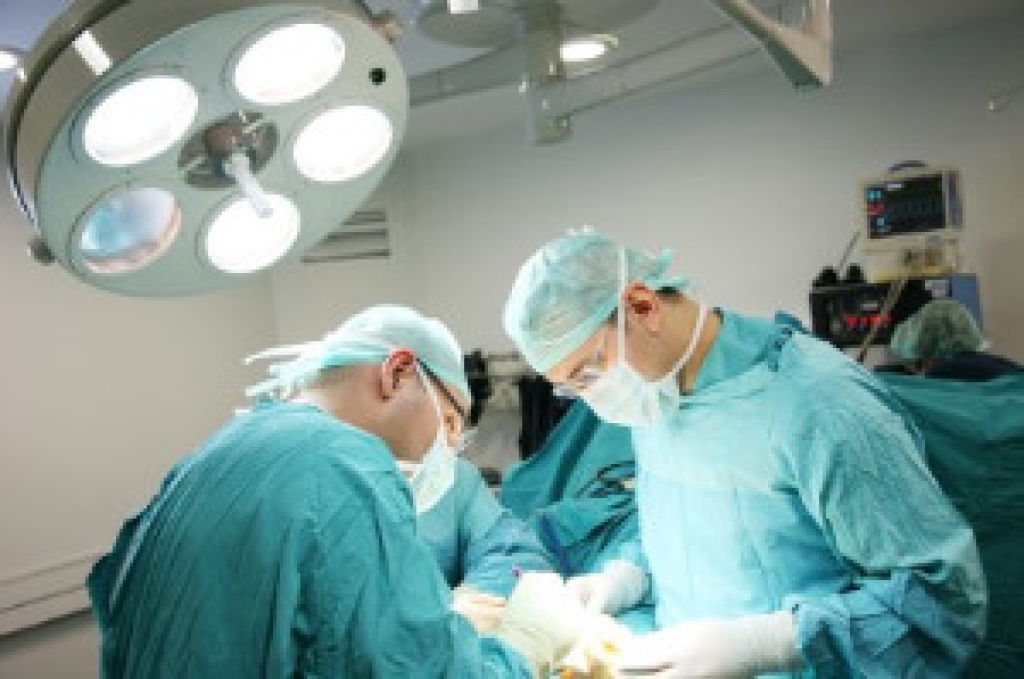
When Big Toe Surgery Is Needed

Pain at the base of the big toe can make each step uncomfortable and limit everyday activities. Arthritis damages the smooth tissue that cushions the joint, leading to stiffness and swelling. A bunion changes the joint's alignment and creates a bump beside the toe. When these problems persist, big toe surgery becomes an option. The choice depends on the cause of pain and the amount of joint damage. A podiatrist examines toe movement, checks foot alignment, and reviews X-rays. This evaluation helps determine whether removing damaged bone or choosing another procedure offers the best chance of relief.

Keller's arthroplasty is one type of big toe surgery used for selected patients with a painful, damaged joint. The surgeon removes part of the base of the first big toe bone, where it meets the long bone behind it. This creates space that reduces painful contact within the joint. Soft tissue fills the space, and some techniques place tissue between the remaining bone surfaces. The procedure aims to relieve pain while preserving some movement. Podiatrists generally consider it for older patients with lower activity demands. Age alone does not determine suitability. Foot structure and walking needs also guide the decision.

A podiatrist explains the benefits and limitations before recommending this procedure. Removing bone sometimes shortens the toe or reduces its strength when pushing off while walking. The toe might become unstable or sit higher than expected. Extra pressure beneath the smaller toes can cause pain in the ball of the foot. Other risks include infection, nerve irritation, and continued discomfort. Results vary, and surgery does not guarantee normal movement. Alternative operations address different problems. Removing bone spurs helps selected patients with less severe arthritis. Joint fusion joins the bones together to reduce pain, although it stops movement at that joint.

Recovery requires regular follow-up visits so the podiatrist can assess healing and monitor toe alignment. The care team manages dressings and checks the incision for complications. A podiatrist also determines when weight-bearing is safe and prescribes a protective shoe or boot. Healing progresses at different rates, and swelling sometimes lasts several months. Return to work depends on job demands and recovery progress. Discussing expected movement and possible changes in walking helps patients set realistic goals. If you have pain in the big toe, it is suggested that you schedule an appointment with a podiatrist for a diagnosis and appropriate treatment, which may include surgery.

Foot surgery is sometimes necessary to treat a foot ailment. To learn more, contact one of out podiatrists of Alta Ridge Foot Specialist. Our doctors will assist you with all of your foot and ankle needs.

When Is Surgery Necessary?

Foot and ankle surgery is generally reserved for cases in which less invasive, conservative procedures have failed to alleviate the problem. Some of the cases in which surgery may be necessary include:

  • Removing foot deformities like bunions and bone spurs
  • Severe arthritis that has caused bone issues
  • Cosmetic reconstruction

What Types of Surgery Are There?

The type of surgery you receive will depend on the nature of the problem you have. Some of the possible surgeries include:

  • Bunionectomy for painful bunions
  • Surgical fusion for realignment of bones
  • Neuropathy decompression surgery to treat nerve damage

Benefits of Surgery

Although surgery is usually a last resort, it can provide more complete pain relief compared to non-surgical methods and may allow you to finally resume full activity.

Surgical techniques have also become increasingly sophisticated. Techniques like endoscopic surgery allow for smaller incisions and faster recovery times.

If you have any questions, please feel free to contact our offices located in Mars Hill, Spruce Pine, and Boone, NC . We offer the newest diagnostic and treatment technologies for all your foot care needs.
Read more about Foot and Ankle Surgery

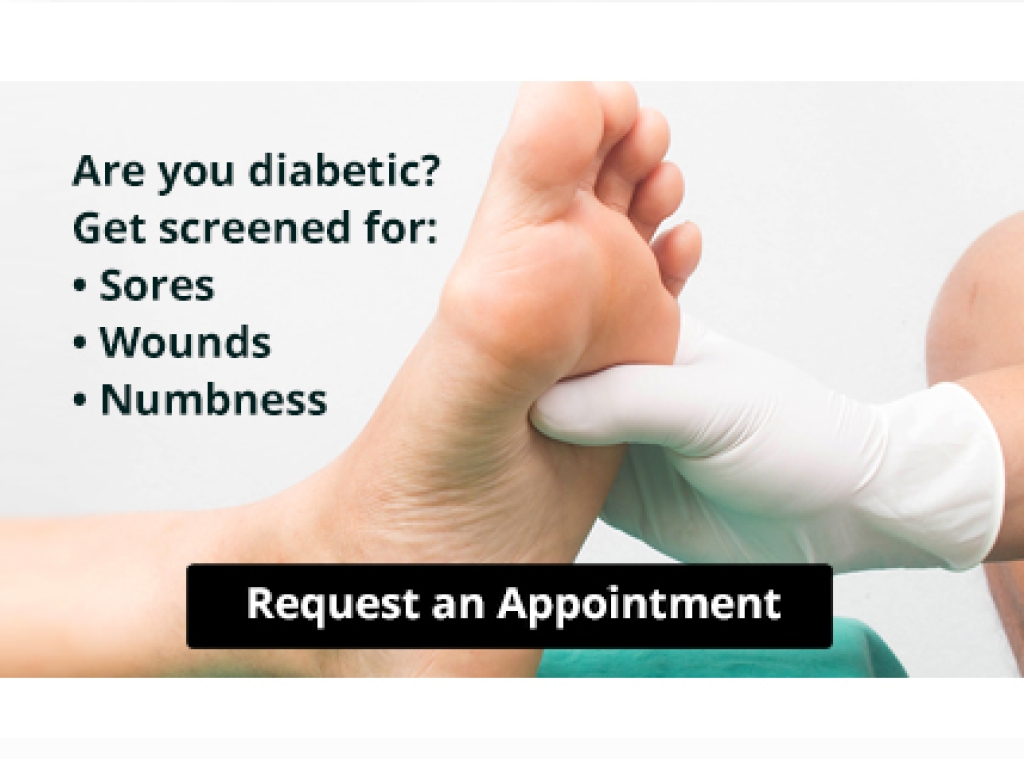
Wounds That Don't Heal Need to Be Checked

Your feet are covered most of the day. If you're diabetic, periodic screening is important for good health. Numbness is often a sign of diabetic foot and can mask a sore or wound.

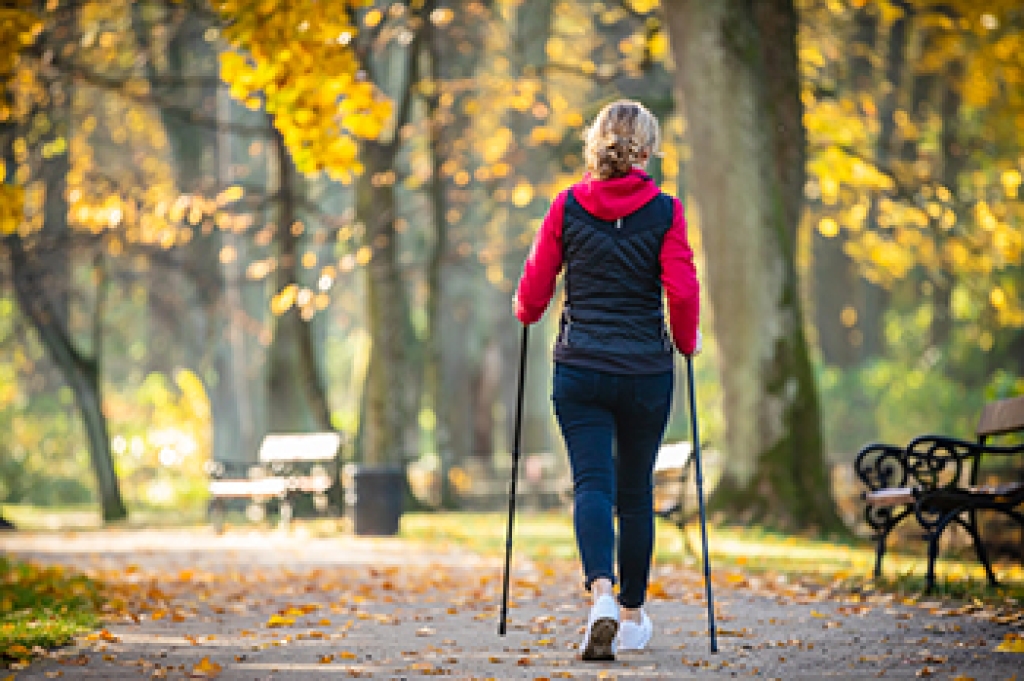
How Nordic Walking Affects the Feet

Nordic walkers use poles to turn a regular walk into a full-body workout. The motion resembles cross-country skiing because the arms push against the poles as the body moves forward. Walking with Nordic poles burns more calories and works more muscles than conventional walking. It engages the arms, shoulders, and core while the legs and feet support each step. The poles can help walkers maintain an even rhythm and a smoother heel-to-toe motion. This controlled stride supports natural foot movement and can make walking feel more secure.

The feet can benefit because the poles add two points of contact with the ground. This added support can improve balance and reduce some of the strain placed on the feet and ankles. This can help on hills and uneven ground. Nordic walking also encourages a longer, more upright stride. Better posture can help distribute body weight more evenly across the feet instead of placing excess pressure on one area. Regular walking supports circulation to the feet and helps maintain movement in the toes, arches, and ankles. However, correct pole use is important. Reaching too far forward or leaning heavily on the poles can disrupt walking form.

A podiatrist can help a patient begin Nordic walking safely by examining the feet, checking balance, and observing how the patient walks. This can identify problems that affect comfort, including heel pain, arthritis, or an abnormal walking pattern. A podiatrist can recommend shoes with the right fit, cushioning, and support. Custom orthotics can also improve foot position and spread pressure more evenly when appropriate. Patients with diabetes, poor circulation, or reduced feeling in their feet can receive guidance on preventing blisters and sores. A podiatrist can also advise how foot or ankle conditions may affect walking distance, pace, and choice of terrain. If you experience foot pain from walking, it is suggested that you schedule an appointment with a podiatrist for a diagnosis and appropriate treatment.

Exercising your feet regularly with the proper foot wear is a great way to prevent injuries and build strength. If you have any concerns about your feet, contact one of out podiatrists from Alta Ridge Foot Specialist. Our doctors can provide the care you need to keep you pain-free and on your feet.

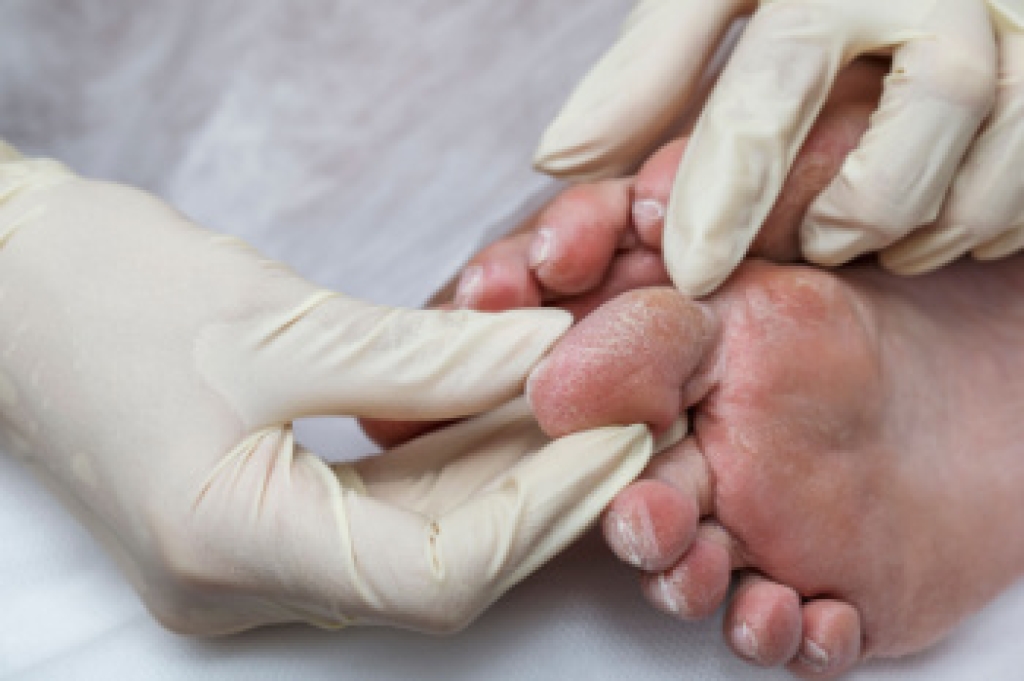
Exercise for Your Feet

Exercise for your feet can help you gain strength, mobility and flexibility in your feet. They say that strengthening your feet can be just as rewarding as strengthening another part of the body. Your feet are very important, and we often forget about them in our daily tasks. But it is because of our feet that are we able to get going and do what we need to. For those of us fortunate enough to not have any foot problems, it is an important gesture to take care of them to ensure good health in the long run.

Some foot health exercises can include ankle pumps, tip-toeing, toe rises, lifting off the floor doing reps and sets, and flexing the toes. It is best to speak with Our doctors to determine an appropriate regimen for your needs. Everyone’s needs and bodies are different, and the activities required to maintain strength in the feet vary from individual to individual. 

Once you get into a routine of doing regular exercise, you may notice a difference in your feet and how strong they may become.

If you have any questions, please feel free to contact our offices located in Mars Hill, Spruce Pine, and Boone, NC . We offer the newest diagnostic and treatment technologies for all your foot care needs.
Read more about Exercise for Your Feet

Protecting Diabetic Foot Health Daily

Diabetes affects how the body regulates blood sugar, also called glucose. When the body does not produce enough insulin or cannot use it effectively, glucose builds up in the bloodstream. High blood sugar damages nerves and blood vessels, creating serious risks for foot health. Common symptoms of diabetes include increased thirst, frequent urination, and blurred vision, although some people experience few early warning signs. Risk factors include family history, excess body weight, and limited physical activity. Recognizing diabetes and managing blood sugar levels help reduce complications, including those affecting the feet. Regular medical care is essential for long-term health.

Diabetes affects the feet by damaging nerves, a complication known as diabetic neuropathy. When sensation decreases, you may not notice a blister, cut, or small object inside your shoe. Some people experience burning pain or tingling, while others develop numbness that makes injuries harder to detect. Diabetes also reduces circulation, slowing the delivery of oxygen and nutrients needed for healing. As a result, even a minor wound may develop into a diabetic foot ulcer or become infected. Risk increases when blood sugar remains high, circulation is poor, or foot checks are neglected. Wearing tight shoes and walking barefoot also increase the chance of unnoticed injuries.


Daily foot care is especially important for people living with diabetes. Check both feet every day for changes in skin color, swelling, or open areas. Wash your feet with lukewarm water and dry them carefully, particularly between the toes. Apply moisturizer to dry skin, but avoid putting it between the toes because excess moisture can encourage infection. Wear properly fitted shoes and clean socks to reduce friction and protect sensitive skin. Never cut corns or calluses yourself, and avoid treating ingrown toenails at home if you have diabetes. Contact a podiatrist promptly if you notice a wound, unusual warmth, or discoloration, since early attention can prevent complications.


A podiatrist plays an important role in preventing and treating diabetic foot problems. During an examination, the podiatrist checks skin condition, circulation, and areas exposed to pressure. Additional testing may help identify nerve damage or reduced blood flow. Treatment can include professional nail and callus care, wearing protective footwear, and wound care when ulcers develop. Regular appointments help identify concerns before they become serious. If you have diabetes, it is strongly suggested that you are under the care of a podiatrist who can help you to manage this serious condition.

Diabetic foot care is important in preventing foot ailments such as ulcers. If you are suffering from diabetes or have any other concerns about your feet, contact one of out podiatrists from Alta Ridge Foot Specialist. Our doctors can provide the care you need to keep you pain-free and on your feet.

Diabetic Foot Care

Diabetes affects millions of people every year. The condition can damage blood vessels in many parts of the body, especially the feet. Because of this, taking care of your feet is essential if you have diabetes, and having a podiatrist help monitor your foot health is highly recommended.

The Importance of Caring for Your Feet

  • Routinely inspect your feet for bruises or sores.
  • Wear socks that fit your feet comfortably.
  • Wear comfortable shoes that provide adequate support.

Patients with diabetes should have their doctor monitor their blood levels, as blood sugar levels play such a huge role in diabetic care. Monitoring these levels on a regular basis is highly advised.

It is always best to inform your healthcare professional of any concerns you may have regarding your feet, especially for diabetic patients. Early treatment and routine foot examinations are keys to maintaining proper health, especially because severe complications can arise if proper treatment is not applied.

If you have any questions, please feel free to contact our offices located in Mars Hill, Spruce Pine, and Boone, NC . We offer the newest diagnostic and treatment technologies for all your foot care needs.
Read more about Diabetic Foot Conditions

How Early Treatment Helps With Clubfoot in Babies

Clubfoot is a birth condition that causes one or both feet to turn inward and downward. Also called talipes equinovarus, it develops while the baby is growing in the womb. The affected foot may appear twisted, with the heel turned inward and the toes pointing down. Although clubfoot can look concerning, early treatment often helps children develop a stable, functional foot. Recognizing the condition early allows families to begin care and understand the treatment options available.

The exact cause of clubfoot is not always known, but genetics can play an important role. A baby has a higher risk when a parent or sibling has had the condition. Clubfoot may also develop along with certain neuromuscular or congenital conditions. Symptoms include an inward-turning foot, a smaller calf muscle, and limited foot movement. The foot may feel stiff rather than flexible. Clubfoot usually does not cause pain in newborns, but without treatment, it can make standing and walking difficult as the child grows.


Treatment often begins soon after birth, when the foot is easier to guide into a better position. The Ponseti method is commonly used. It involves gentle, repeated stretching followed by a series of casts. Each cast gradually moves the foot closer to its correct alignment. Some babies need a minor procedure to lengthen the Achilles tendon. After casting, a special brace helps maintain the correction and lowers the chance of the foot turning inward again.


A podiatrist examines the baby’s foot, assesses its flexibility, and helps coordinate appropriate care. Follow-up visits are important because the foot can relapse as a child grows. Parents should follow casting and bracing instructions carefully and report skin irritation or concerns promptly. With timely treatment, many children with clubfoot can walk and participate in everyday activities. If your child has been born with clubfoot, it is suggested that you include a podiatrist on your health care team to ensure the best results possible. 

Congenital foot problems require immediate attention to avoid future complications. If you have any concerns, contact one of out podiatrists of Alta Ridge Foot Specialist. Our doctors can provide the care you need to keep you pain-free and on your feet.

Congenital foot problems are deformities affecting the feet, toes, and/or ankles that children are born with. Some of these conditions have a genetic cause while others just happen. Some specific foot ailments that children may be born with include clubfeet, polydactyly/macrodactyly, and cleft foot. There are several other foot anomalies that can occur congenitally. What all of these conditions have in common is that a child may experience difficulty walking or performing everyday activities, as well as trouble finding footwear that fits their foot deformity. Some of these conditions are more serious than others. Consulting with a podiatrist as early as possible will help in properly diagnosing a child’s foot condition while getting the necessary treatment underway.

What are Causes of Congenital Foot Problem?

A congenital foot problem is one that happens to a child at birth. These conditions can be caused by a genetic predisposition, developmental or positional abnormalities during gestation, or with no known cause.

What are Symptoms of Congenital Foot Problems?

Symptoms vary by the congenital condition. Symptoms may consist of the following:

  • Clubfoot, where tendons are shortened, bones are shaped differently, and the Achilles tendon is tight, causing the foot to point in and down. It is also possible for the soles of the feet to face each other.
  • Polydactyly, which usually consists of a nubbin or small lump of tissue without a bone, a toe that is partially formed but has no joints, or an extra toe.
  • Vertical talus, where the talus bone forms in the wrong position causing other bones in the foot to line up improperly, the front of the foot to point up, and the bottom of the foot to stiffen, with no arch, and to curve out.
  • Tarsal coalition, when there is an abnormal connection of two or more bones in the foot leading to severe, rigid flatfoot.
  • Cleft foot, where there are missing toes, a V-shaped cleft, and other anatomical differences.
  • Macrodactyly, when the toes are abnormally large due to overgrowth of the underlying bone or soft tissue.

Treatment and Prevention

While there is nothing one can do to prevent congenital foot problems, raising awareness and receiving neonatal screenings are important. Early detection by taking your child to a podiatrist leads to the best outcome possible.

If you have any questions, please feel free to contact our offices located in Mars Hill, Spruce Pine, and Boone, NC . We offer the newest diagnostic and treatment technologies for all your foot care needs.

Read more about Congenital Foot Problems
scroll to top